Dolo: From Field to Cabaret.
Blogs / Dolo: From Field to Cabaret
In Burkina Faso, dolo is one of the few things that crosses every line: region, ethnicity, age, and class. It goes by different names depending on where you are. Ran-moaga in Moore, doro in Bambara, tchapalo among the Senoufo. The recipe shifts a little from one place to the next. The role it plays does not.
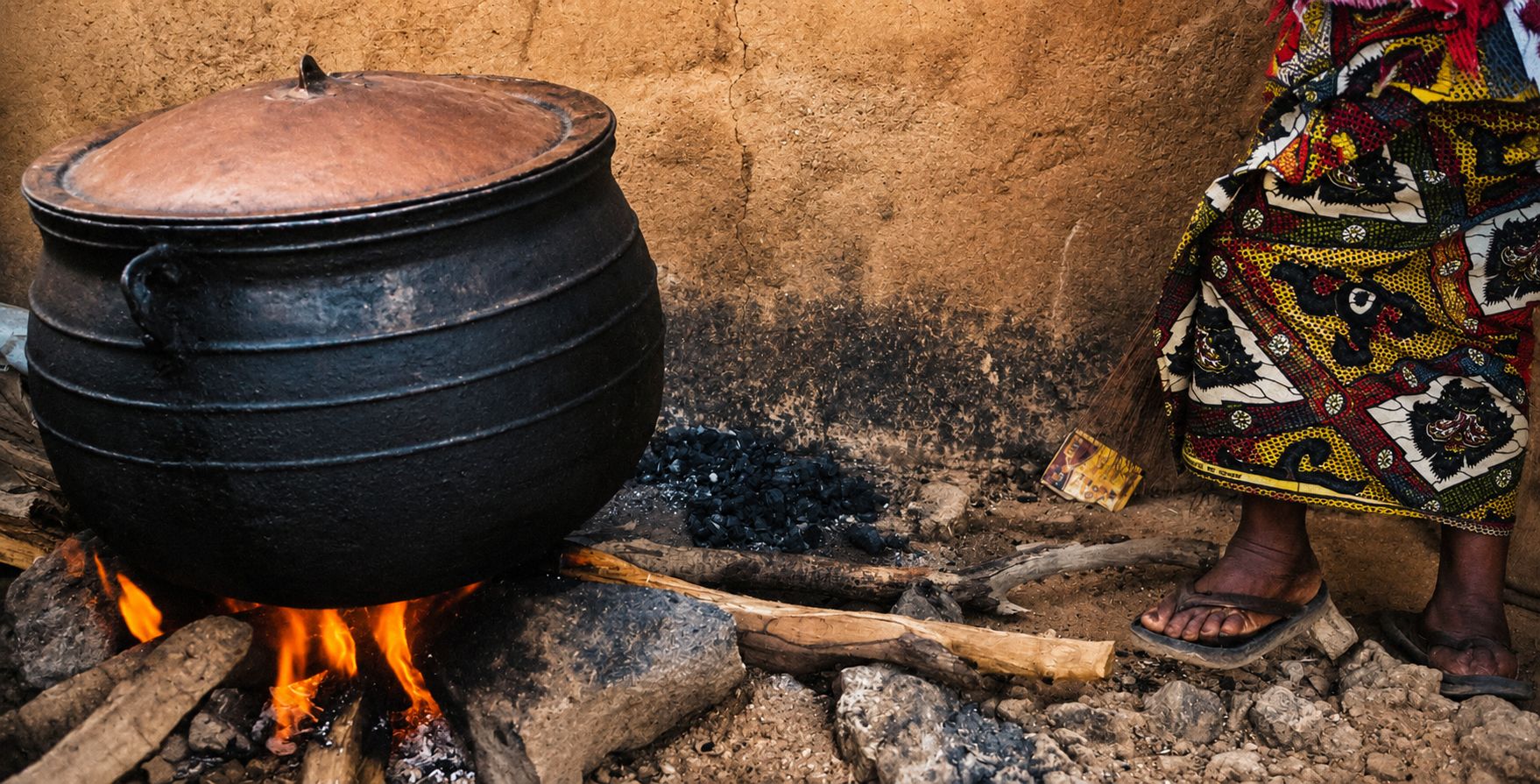
A beer made from sorghum
Red sorghum serves as the foundation for this Sahelian staple. Brewers soak, germinate, dry, and mill the grain before boiling it over a wood fire for several hours. Wild yeast ferments the mixture over 2 to 3 days. The final drink is a cloudy, slightly sour, low-alcohol beer served warm in a calabash. Every batch tastes unique due to natural variations in the grain, local water, and the maker’s technique. The entire process relies entirely on traditional, manual labor.
Brewing is an exclusively female trade, with techniques passed down from mother to daughter. The dolotiere (brewer) manages the cabaret where she sells her craft. These venues are typically courtyards or simple structures with benches operating on specific days. Running a successful cabaret provides women with reliable income and strong community standing.
The cabaret functions as a central public gathering place. Locals meet there to resolve disputes, arrange weddings or funerals, and discuss politics. The beverage also holds deep ceremonial importance. Communities pour it to honor ancestors and share it during births, marriages, and burials to extend a warm welcome.