Ten years in the field.
Djamana started with one country.
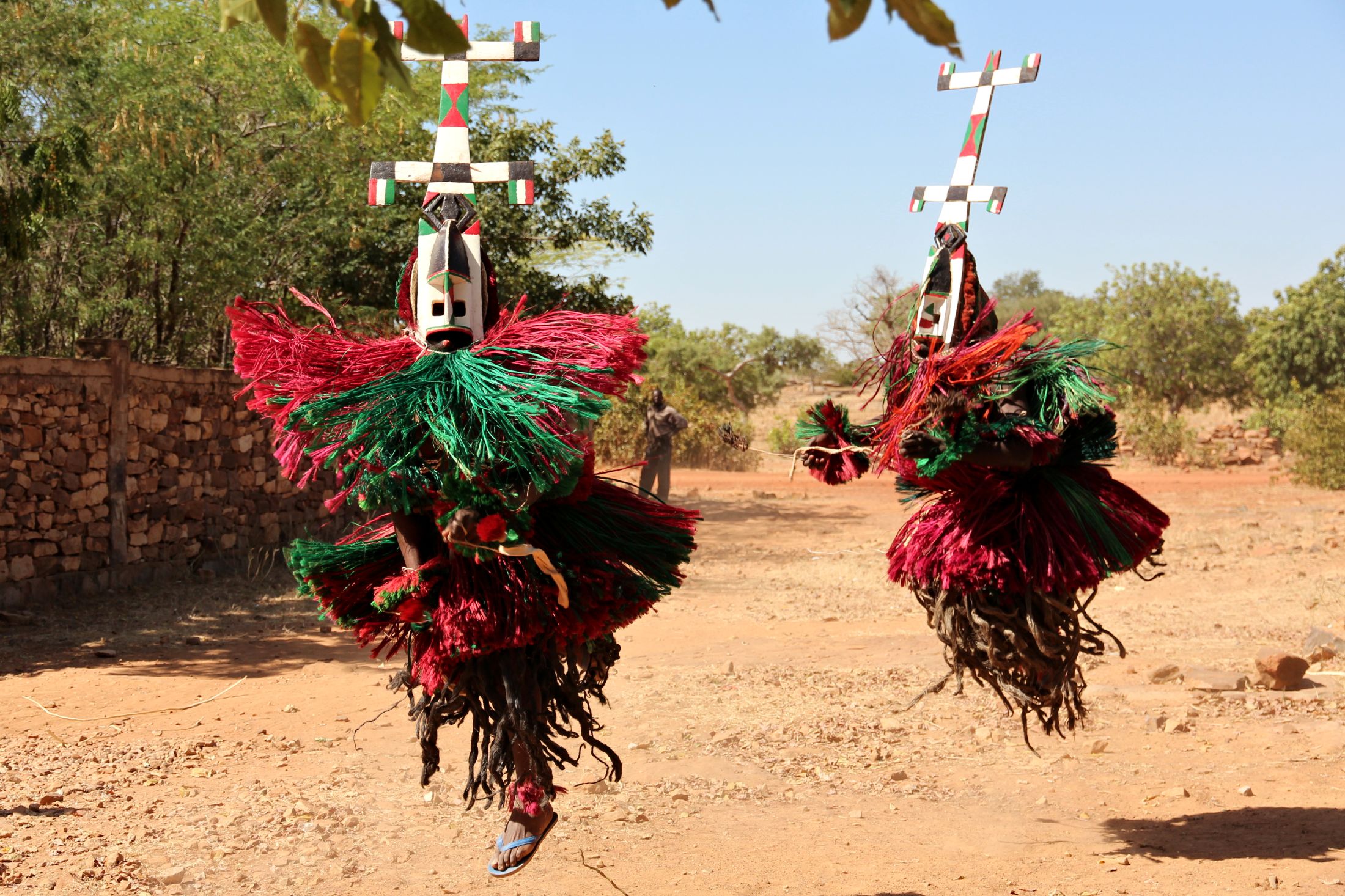
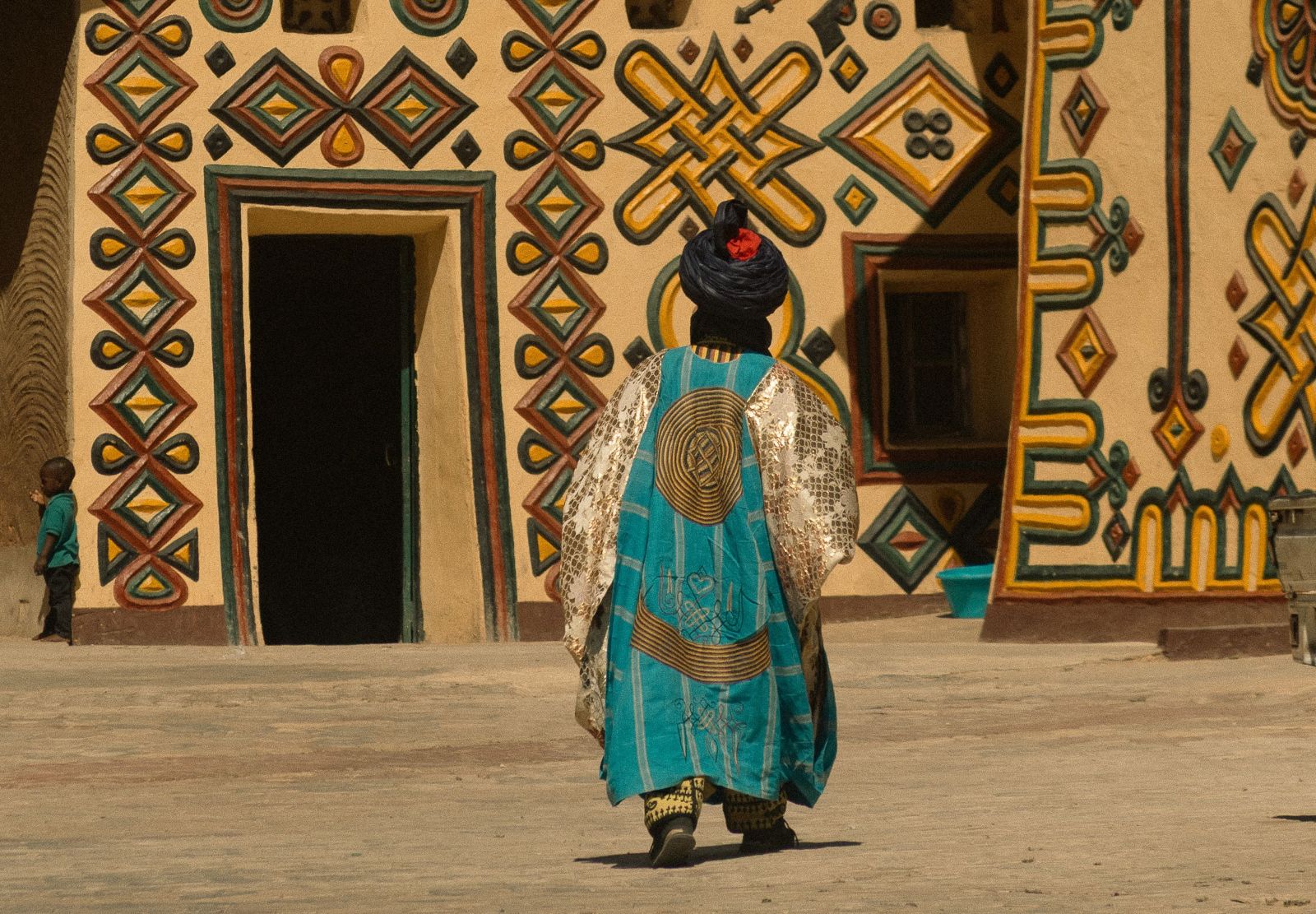
Djamana began in Burkina Faso to connect travellers with local sites like the rocky peaks of Sindou, the painted houses of Tiébélé, the elephant herds at Nazinga, and the mask festivals of the Bwa and Mossi. These locations require local relationships to reach.
Over 10 years, the business expanded to Benin, Togo, and Ghana based on traveller requests. Operations remain based in Ouagadougou, covering 6 countries alongside private requests for 7 more. All guides, drivers, and local contacts live in the regions they work in.
The name Djamana means country or homeland in Dioula, a major language of Burkina Faso and the Sahel.
What makes a Djamana trip different.
Built from the ground up
Every programme we offer, we’ve run ourselves. That means we know where the roads end, which border crossings need extra time, and which guide understands both the language and the culture.
Local contacts, not contractors
Our network across Burkina Faso, Bénin, Togo, Ghana, Mali, and Côte d’Ivoire is built on 10+ years of travel in the region. Guides, hotel managers, and cultural liaisons who know us and trust us.
Responsible tourism in practice
We keep group sizes small, respect cultural protocols at sacred sites, and put money into local economies by choosing locally-owned accommodation and regional food wherever possible.
Transparent pricing
Each tour shows two price tiers — 1–2 travellers and 3–4 travellers. Private group pricing is available on request. No hidden fees.
Cultural respect is part of the itinerary.
Cultural sites in West Africa aren’t museums. The sacred forests of Bénin, the mask ceremonies of Burkina Faso, and the royal courts of Ghana are living institutions. We work with local cultural authorities to ensure our visits respect protocols and don’t disrupt what they mean.
We keep group sizes small — most tours run between 1 and 8 travellers. Smaller groups cause less disruption, move more freely, and generate more direct income for local guides.
We use locally-owned guesthouses and hotels wherever the accommodation meets our quality standard. We encourage travellers to eat at local restaurants, buy directly from craftspeople, and minimise waste in national parks.